Health and Safety Policy — Commercial Waste Dalston
 Commercial Waste Dalston is committed to providing a safe and healthy working environment for all employees, contractors and visitors engaged in our commercial rubbish services. This policy sets out the health and safety principles and responsibilities that govern our waste management operations and commercial refuse collection activities. It applies to all locations where we provide commercial waste collection and removal and is designed to minimise risk, ensure compliance with statutory requirements and promote best practice across our rubbish company service area.
We recognise that preventing injury and ill health is an essential part of delivering reliable commercial waste collection. Our objectives include reducing incidents, controlling hazards associated with waste handling and transport, and embedding a culture of safety. Managers and supervisors must lead by example, ensuring that safe systems of work are implemented and that risk assessments are current and effective.
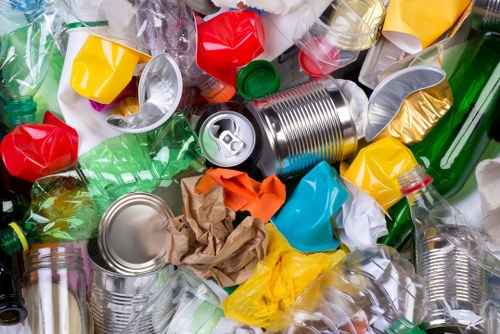 All operational activities require documented risk assessments and method statements. Key focus areas include vehicle safety and loading, manual handling of bins and waste containers, segregation of hazardous materials, safe use of compactors and balers, and control of sharps and contaminated waste. Staff shall be trained to recognise and respond to specific risks inherent to commercial rubbish removal, and refresher training will be provided at intervals determined by risk and regulatory guidance.
Responsibilities and Accountability
Senior management hold ultimate responsibility for health and safety, ensuring adequate resources and oversight for our commercial refuse services. Supervisors have day-to-day accountability for implementing this policy, maintaining safe work environments, and ensuring the workforce follows prescribed procedures. Employees are required to cooperate with safety policies, report hazards, and use provided personal protective equipment (PPE) correctly.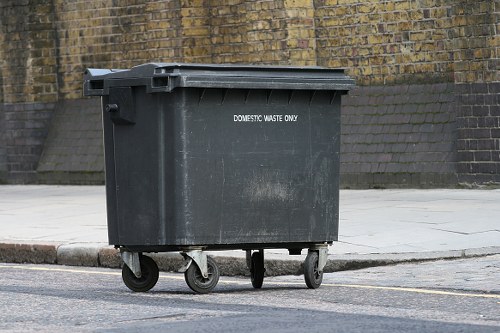 Employee duties include conducting pre-task vehicle and equipment checks, following safe manual handling techniques, securing loads correctly, and segregating recyclable and non-recyclable materials as per instructions. Contractors and subcontractors engaged to support waste removal operations must demonstrate equivalent safety standards before undertaking work, and they are required to follow our site-specific safety instructions at all times.
Training, Competence and Communication
We will provide induction training for new staff and role-specific training for drivers, loaders and operatives involved in commercial waste handling. Training will cover safe operation of vehicles, lifting techniques, spill control, dealing with hazardous waste and emergency procedures. Communication channels, toolbox talks and safety briefings will be used to ensure that critical safety information reaches all personnel promptly.Safe operational controls form the backbone of our waste company safety strategy. This includes maintenance programmes for vehicles and machinery, correct signage and lighting for collections, secure containment of waste in appropriate containers, and systems to manage sharps and chemical wastes safely. Regular inspections and audits will verify that controls are in place and effective. Any defects or unsafe conditions identified during inspections must be rectified without delay.
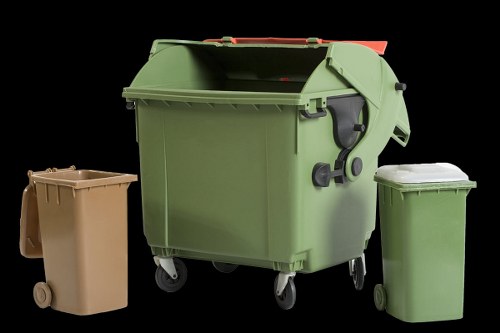 Contractors, visitors and temporary staff will be given clear safety instructions and supervised when necessary. We will implement safe working procedures for activities such as bin lifting, compactor operation and working in proximity to moving vehicles. The following measures will be actively maintained to support safe working on site and during collections:
- Provision and mandatory use of appropriate PPE including high-visibility clothing, gloves and protective footwear.
- Comprehensive vehicle checks and maintenance records for collection and transport units.
- Clear procedures for the segregation, labelling and secure transport of hazardous materials and controlled waste.
- Incident and near-miss reporting systems to capture learning and prevent recurrence.
 Incident reporting, investigation and emergency response are essential components of this health and safety policy. All injuries, incidents and near misses must be reported immediately, investigated appropriately and recorded. Lessons learned from investigations will be used to update risk assessments and improve controls. Emergency arrangements, including spill response, first aid provisions and procedures for contacting emergency services, will be maintained and rehearsed periodically.
Monitoring and review processes will measure the effectiveness of this policy. We will undertake regular audits, safety inspections and performance reviews of our commercial waste operations. Key performance indicators will include incident rates, training completion, audit findings and corrective action closure times. Continuous improvement is central to our approach, and we will benchmark safety performance against recognised industry standards for rubbish collection and commercial waste services.
Compliance with applicable health and safety legislation and guidance is mandatory. This policy will be reviewed at least annually and revised whenever significant changes occur in operations, equipment, personnel or legal requirements. All staff are expected to contribute to a proactive safety culture by following safe working practices, reporting hazards, and participating in training.
In conclusion, our health and safety policy for commercial waste and rubbish collection services emphasises prevention, responsibility and continual improvement. By maintaining robust controls, providing effective training, and fostering clear communication, our aim is to protect people, property and the environment while delivering efficient commercial refuse services. This policy is supported by documented procedures, risk assessments and monitoring systems that together form an integrated approach to safety within our waste management operations.
Review and commitment: This policy will be signed and endorsed by senior management and reviewed to reflect operational changes and evolving best practice. It is the responsibility of every person involved in our commercial rubbish operations to uphold these standards and contribute to a safe working environment.
Policy effective date: The policy is effective from the date of issue and will be subject to regular review to ensure ongoing relevance and compliance.
